Lessons from MLK Jr’s Final Speech Before His Death
By Sydney Greene, Platforms Manager and Writer at FEMINIST
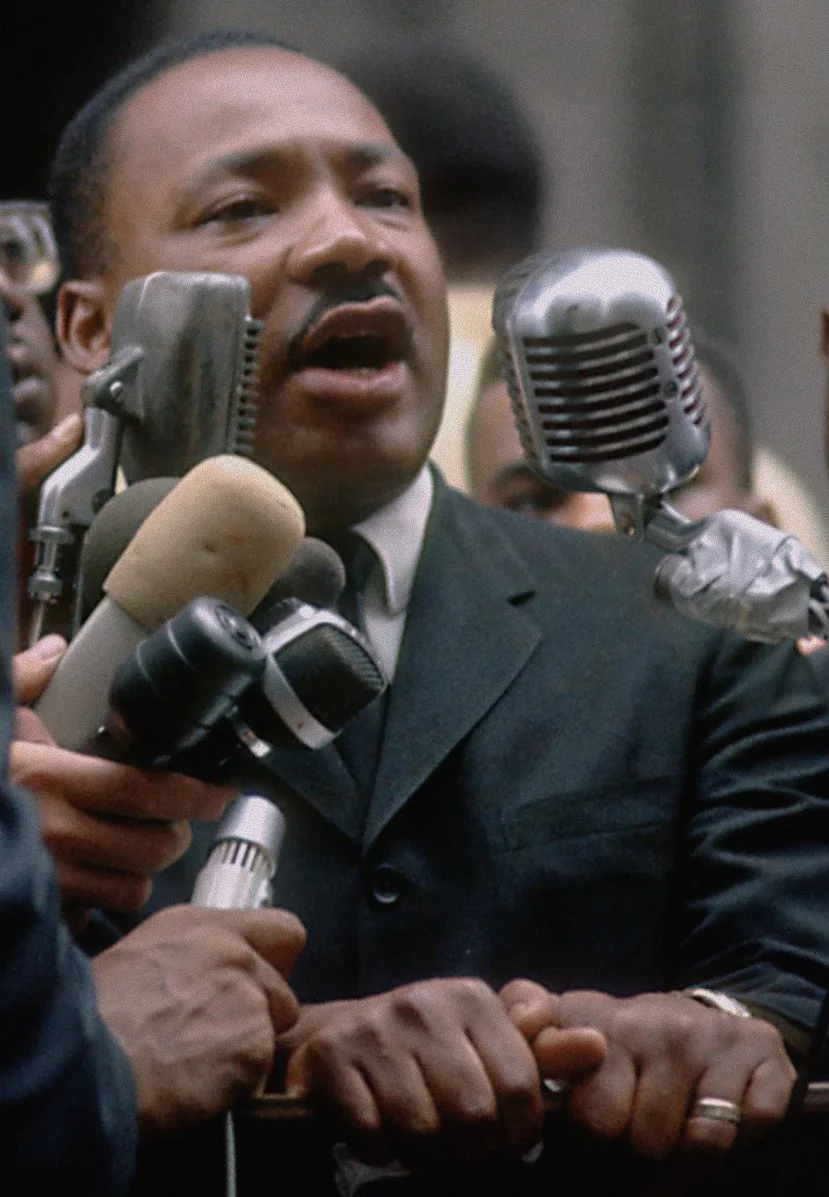
“We want to be free.”
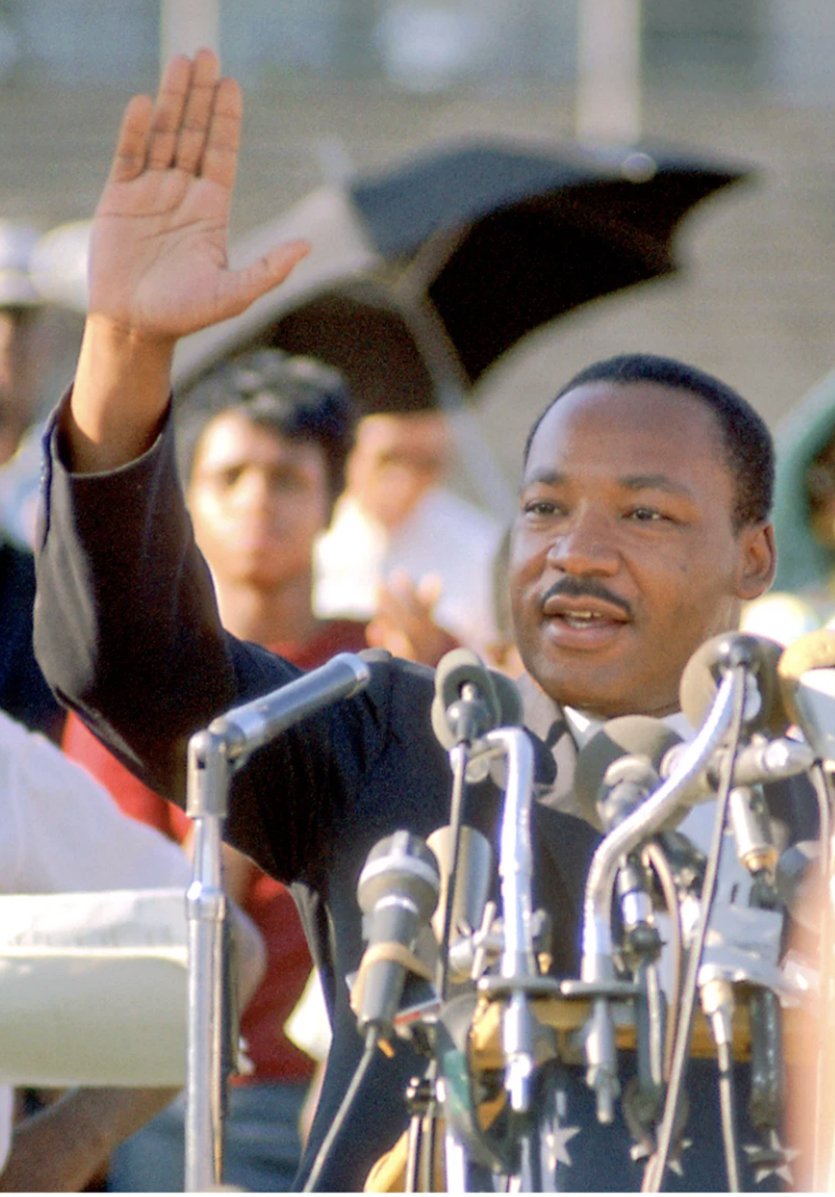
credit: Bernard Kleina
That’s the call Martin Luther King Jr. described hearing across the world from Johannesburg, South Africa to Jackson, Mississippi in his 1968 speech, “I’ve Been to the Mountain Top.”
Just a few years before King’s speech, the Civil Rights Act of 1964 was passed, which outlawed racial segregation in public accommodations including restaurants, hotels, and stores, and made employment discrimination illegal. But as a country built on white supremacy and the oppression of non-white communities, this meant that the U.S.’ ugly history with racism couldn’t be washed away overnight with the implementation of federal civil rights protections. In the years following the Civil Rights Act, African-Americans were still plagued by structural inequalities — poverty rates among African-Americans were high compared to white Americans during the late 60s, along with the large wealth gap between Black and White Americans.
“1968 strikes an eerie parallel to what we’re experiencing currently in 2026. Those in power are executing a fascist, racist, and authoritarian agenda that thrives off of the oppression of marginalized communities in order
to fuel their intangible thirst for power.”
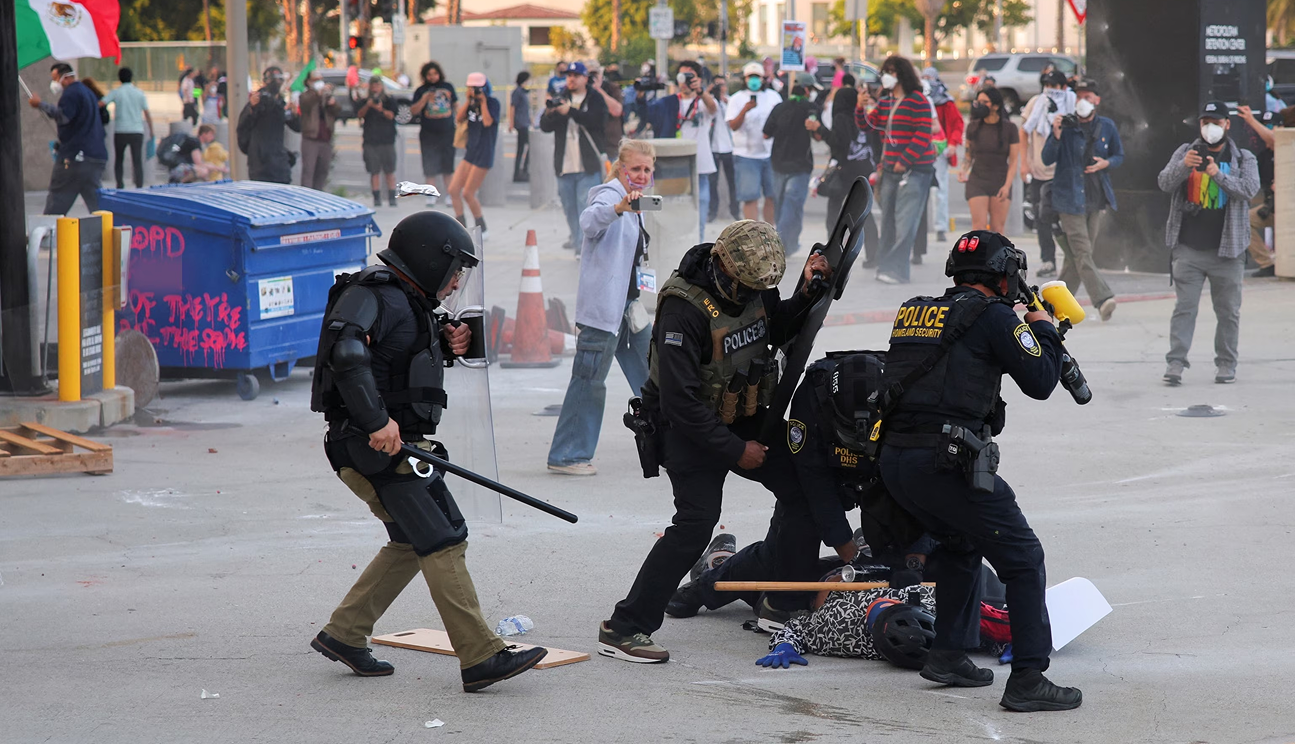
2025, Los Angeles, credit: AP
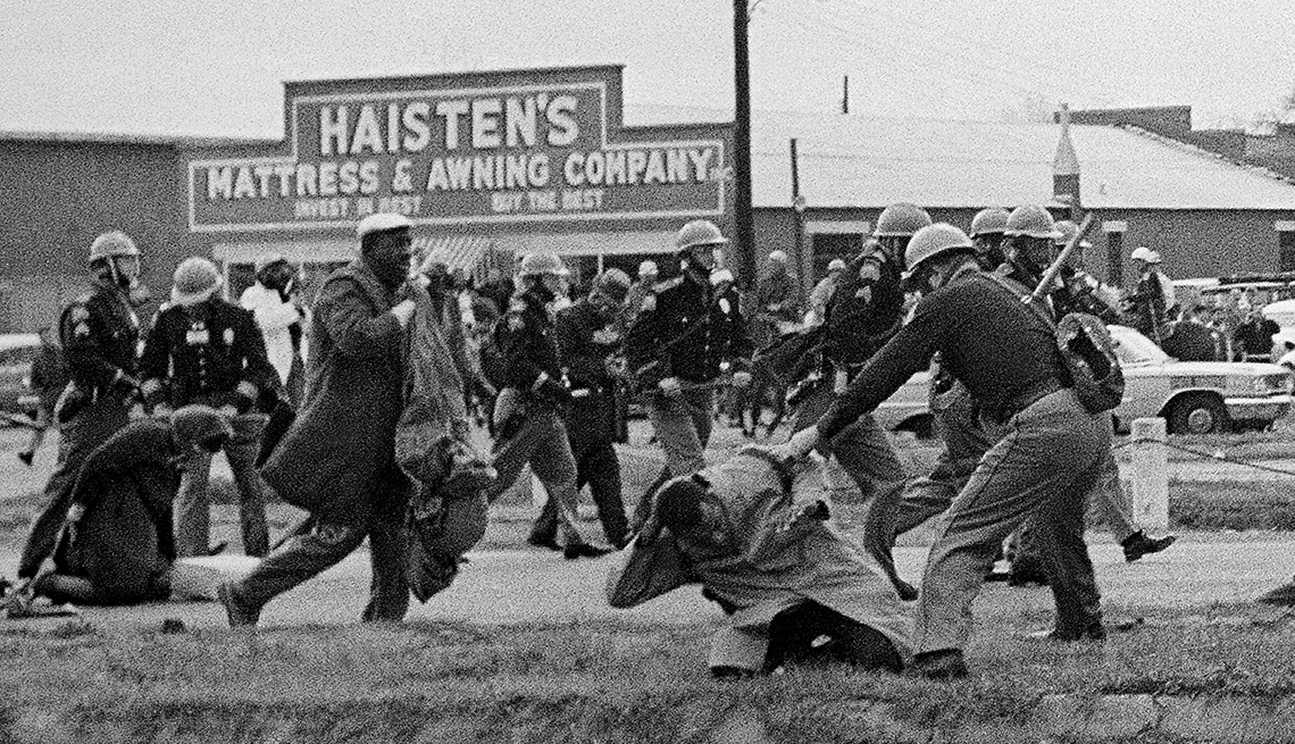
1965, Alabama, credit: Public Record
The inequalities that King witnessed in 1968 strikes an eerie parallel to what we’re experiencing currently in 2026: Those in power are executing a fascist, racist, and authoritarian agenda that thrives off of the oppression of marginalized communities in order to fuel their intangible thirst for power. The Trump administration’s foundation is white supremacy — just recently, the U.S. Department of Homeland Security proudly used white nationalist language and symbolism in a recent propaganda campaign, promoting the white nationalist anthem “We’ll Have Our Home Again.”
King’s “I’ve Been to the Mountain Top” speech preaches a powerful word about white nationalism — specifically white Christian nationalism’s — silent, yet violent, role during the racial violence and discrimination that plagued Black communities across America. According to the Southern Poverty Law Center, white Christian nationalism is defined as a combination of “American exceptionalism – the belief that the U.S. occupies a special and privileged place in the world – with the belief that God is the source of all American liberties and prosperity.” In his speech, Dr. King unapologetically calls out the deep hypocrisy of (white) faith leaders whose theology rarely acknowledged the struggles marginalized people, specifically Black Americans, faced during the height of the Civil Rights movement:
“It’s all right to talk about “long white robes over yonder,” in all of its symbolism. But ultimately people want some suits and dresses and shoes to wear down here! It’s all right to talk about “streets flowing with milk and honey,” but God has commanded us to be concerned about the slums down here, and his children who can’t eat three square meals a day. It’s all right to talk about the new Jerusalem, but one day, God’s preacher must talk about the new New York, the new Atlanta, the new Philadelphia, the new Los Angeles, the new Memphis, Tennessee. This is what we have to do.”
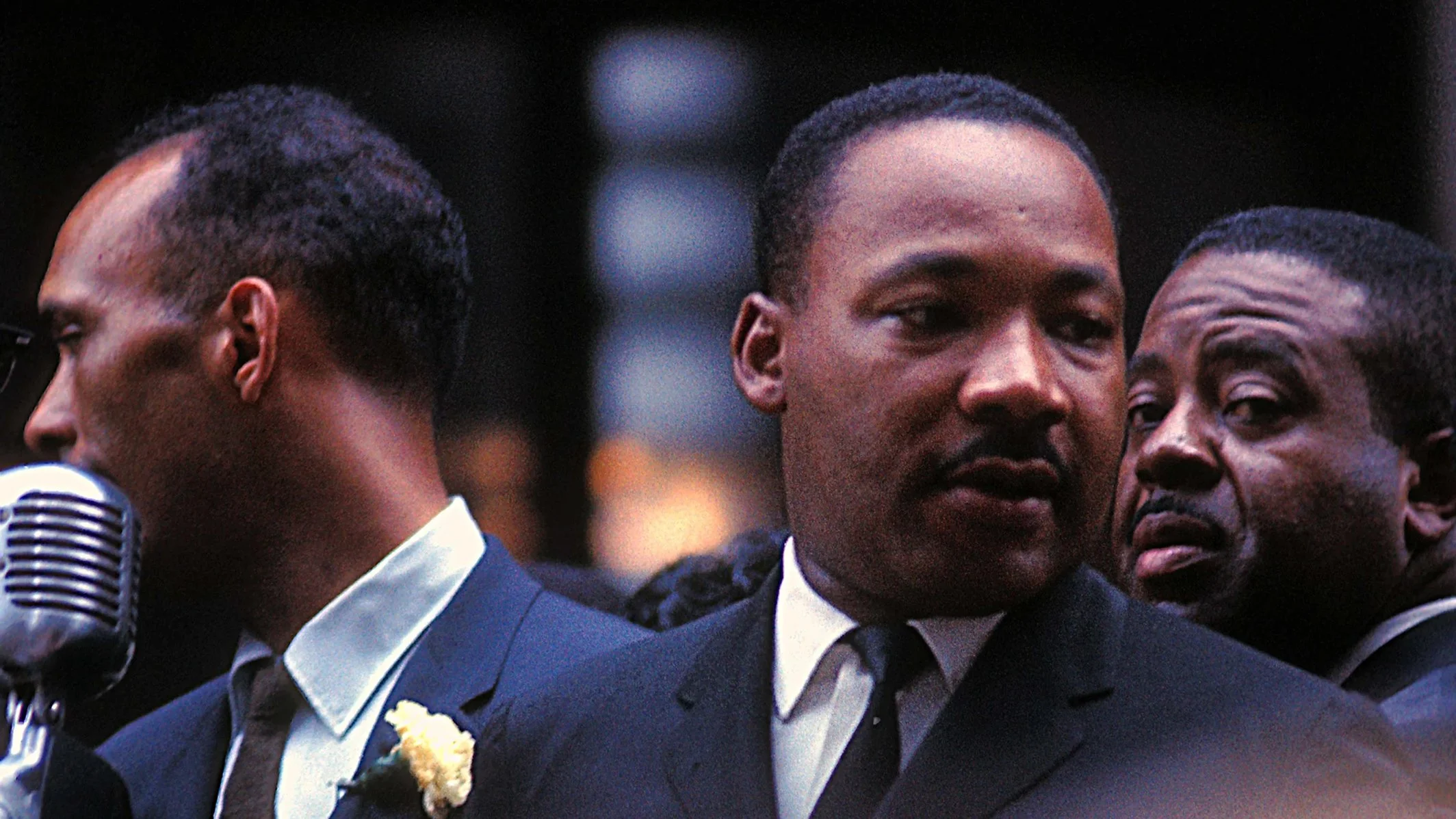
credit: Bernard Kleina
White christian nationalism has long been used to fuel narratives and movements rooted in colonization, slavery, and harming marginalized communities in the name of God. According to writer and faith leader D. Danyelle Thomas, devotion to white evangelical theology has left the Chrisitian church focused on building a political agenda that is more obsessed with who someone is in love with rather than the structural inequities that deeply harm the communities in and around them. Arguably, there's a bond that binds right wing extremist groups like Alliance Defending Freedom and Christ the King Reformed Church together: their roots in the Christian faith. People like Porsha Ngumezi are dead because they can’t receive life-saving abortion care in cases of a misscarriage or ectopic pregnancy because of the anti-abortion legislation and narratives backed by “pro-life” Christian nationalist and supremacy groups. While the institution of the Black Christian Church is not exempt from criticism, the Black church and its faith leaders like Dr. King were instrumental in building Black political power before, during, and after the Civil Rights Movement.
But despite the failings of (white) faith leaders during the Civil Rights Movement, King ends his speech with a prophecy — one that describes a world where liberation is achieved and freedom is no longer a dream. He says that he might not see the fruits of the tireless labor he has put in for equality, but has a strong conviction that it will happen for his people.
“Like anybody, I would like to live a long life. Longevity has its place. But I’m not concerned about that now. I just want to do God’s will. And He’s allowed me to go up to the mountain. And I’ve looked over. And I’ve seen the Promised Land. I may not get there with you. But I want you to know tonight, that we, as a people, will get to the promised land!”
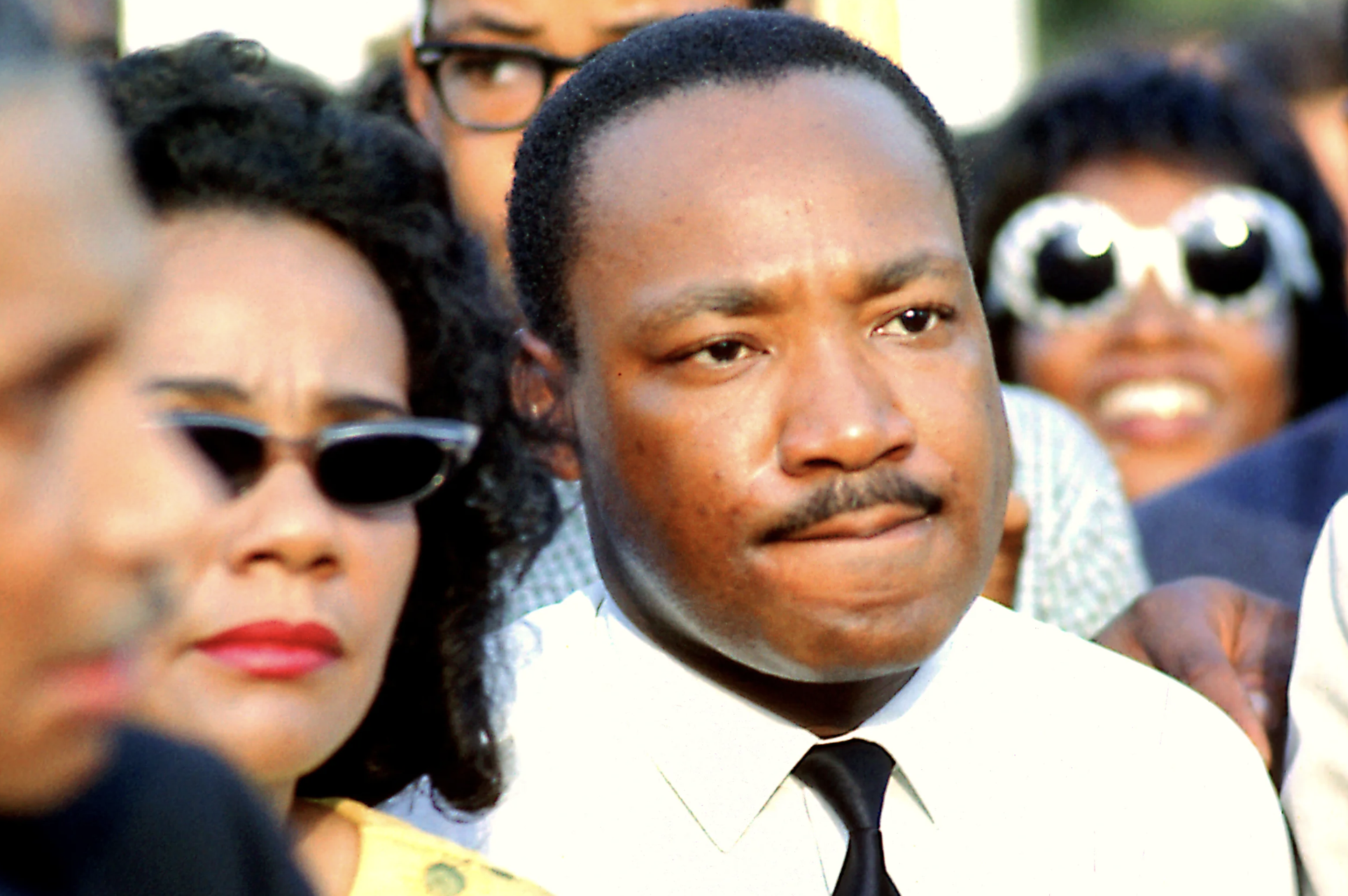
credit: Bernard Kleina
Dr. King describes the part of organizing and fighting for justice that can be hard to come to terms with: the liberation we are fighting for might not be seen in our lifetimes. It might take longer than we want — and we might have to completely start again before we build something new. But the uncertainty of a liberated future shouldn’t stop us from fighting for a world that our descendants and future generations can inherit that hopefully is a better world that we are currently holding.
Freedom fighters throughout history often never got to see the world they so desperately fought for: Enslaved people who rose up and led rebellions against their masters were killed for daring to challenge a deeply inhumane system — but their acts of resistance were never unsuccessful. Those rebellions disrupted a system that inspired other acts of resistance that eventually led to the emancipation of enslaved people in 1863.
As for Dr. King, he never got to see a world that he had such a strong vision for: The day after he gave this speech in Memphis, Tennessee, he was assassinated while standing outside of his hotel room at the Lorraine Motel in Memphis.
Right now, we are in the rebellion stage not only in the U.S., but around the world. While fascism holds a firm grip on our lives, from abortion bans and ICE’s kidnappings and killings, our fight must understand a fundamental truth: We might not get to see what we’re fighting for — but that doesn’t mean it will never happen or that we shouldn’t resist. Now is not the time to play nice — it’s a time to disrupt, agitate, and be ruthless in the name of freedom and liberation for all.
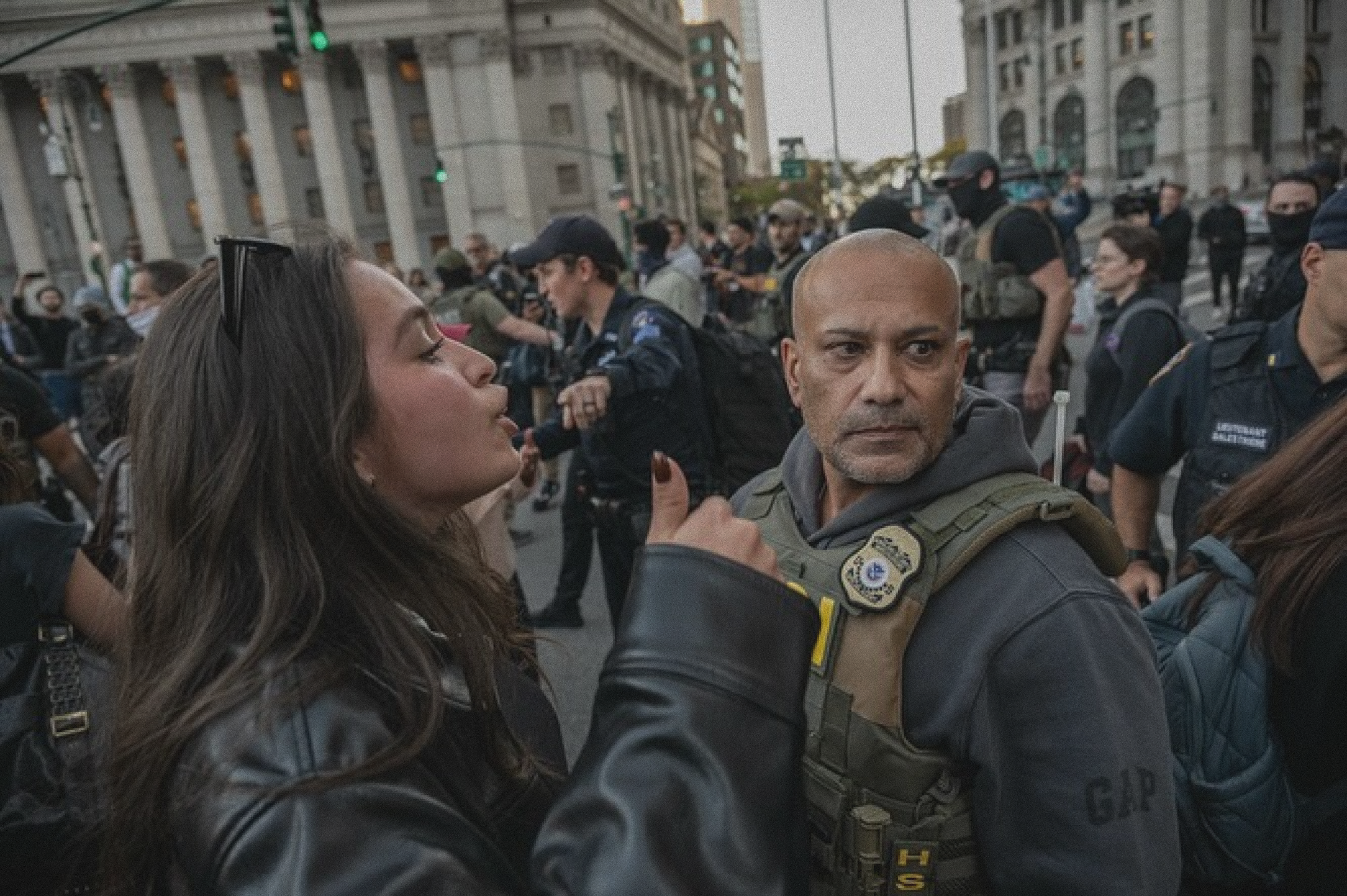
“Now is not the time to play nice — it’s a time to disrupt, agitate, and be ruthless in the name of freedom and liberation for all.”
- Sydney Greene
2025, New York, credit: Victor J. Blue