What do you do in the face of a Christo-fascist takeover of your school?
At New College of Florida, Students and Professors Fought Hand in Hand Against the Rise of Conservatism on Campus. A new documentary, First They Came For My College, tells their story.
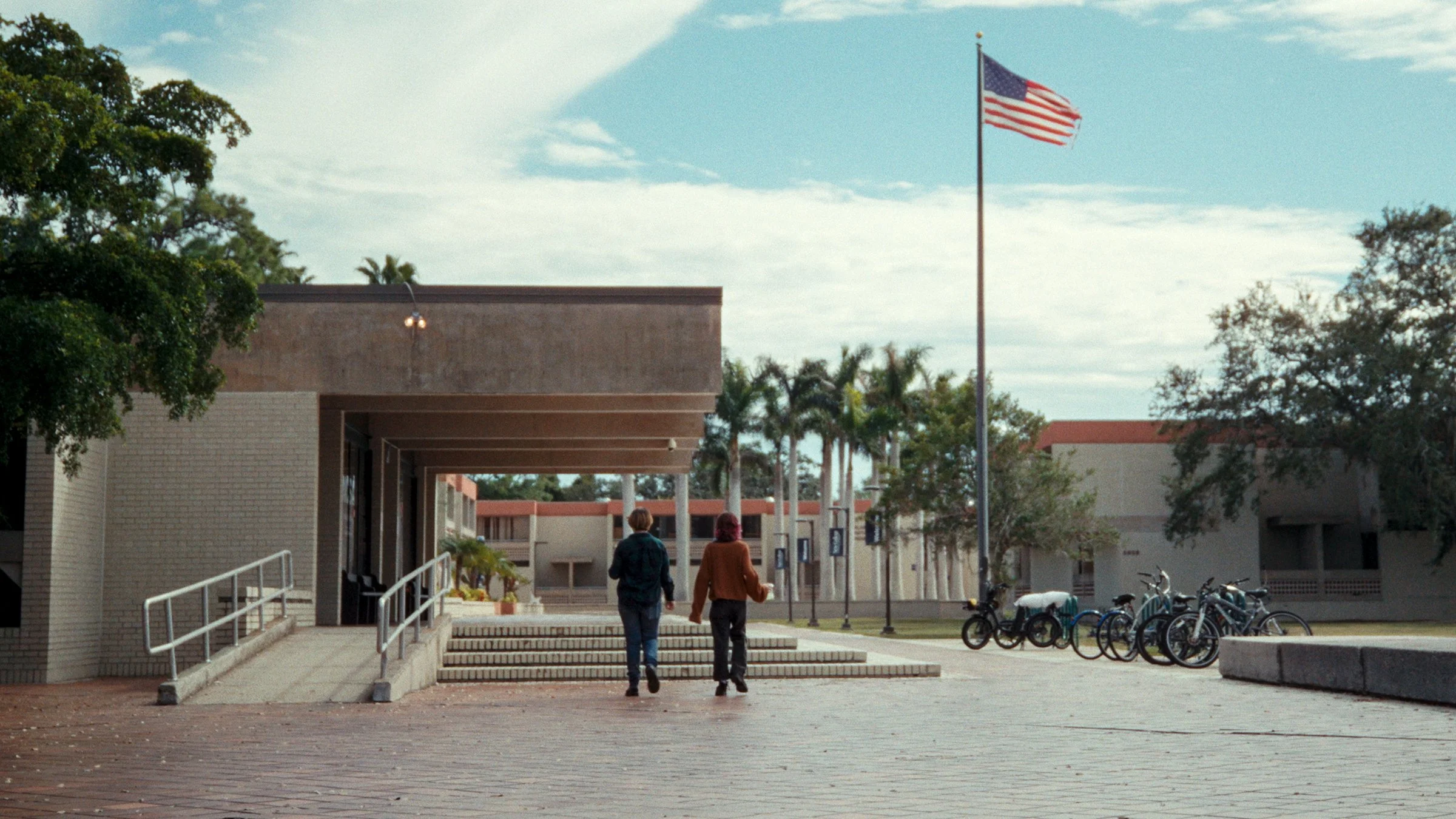
College campuses have been spaces of political debate, social discourse and protest since their very inception. Today, this role is more apparent than ever amid a rise in conservatism across the country. Education has been a major point of focus under the Trump administration, who gutted the Department of Education and issued restrictions on Diversity, Equity and Inclusion initiatives. These decisions aren’t new. In reality, they have been building up for years – notably by local and state governments that have increasingly imposed book bans and conservative groups like Turning Point USA touring campuses across the country. A new documentary tells this story.
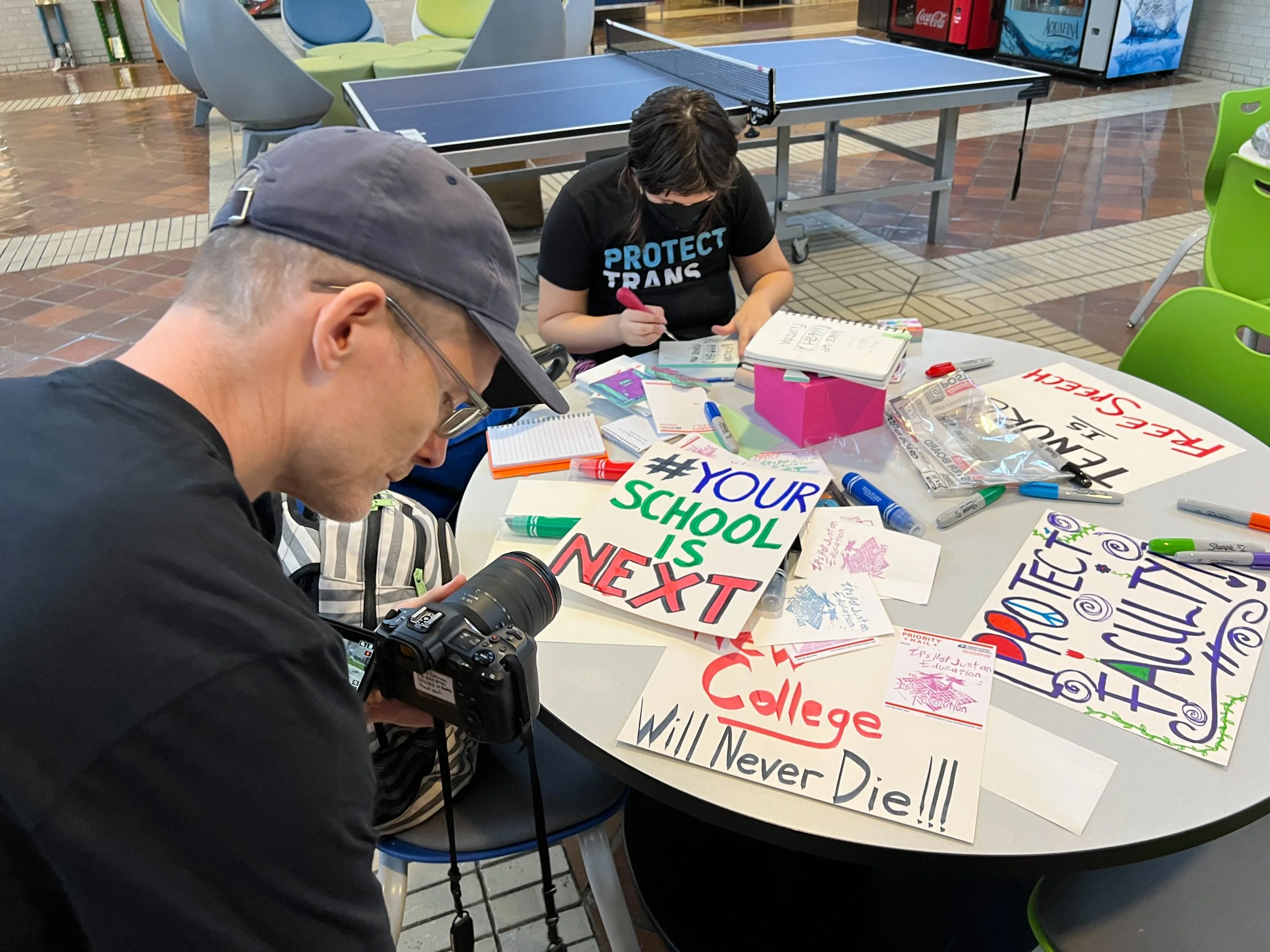
First They Came For My College, which premiered at SXSW last month, is a testament to the resistance of a college community amid government efforts to usher in conservative ideology. The story opens on Jan. 6, 2023 when Florida Gov. Ron DeSantis appointed six ultraconservatives to New College of Florida’s Board of Trustees. It was the very first time a college campus experienced an open political coup. As censorship and attacks on academic freedom ensued, students and professors chose to fight back.
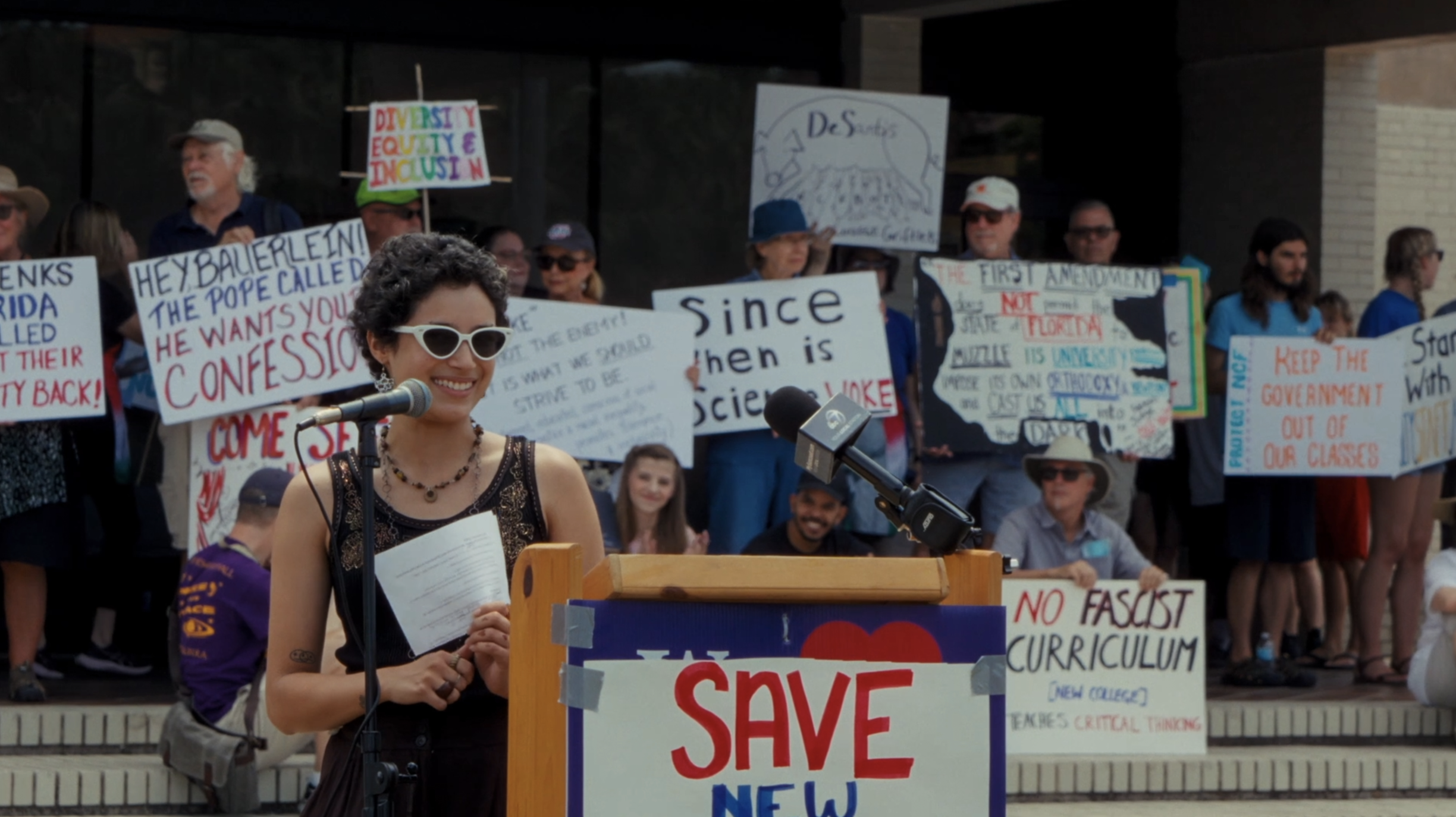
Ahead of the documentary’s homecoming at Florida Film Festival on April 11, we spoke to gender studies professor Amy Reid and student protest leader Gaby Batista about their efforts to counter the takeover. Reid was one of the most vocal faculty members against the appointment. The Gender Studies program she co-founded was eventually abolished by New College of Florida. She is now the Program Director of the Freedom to Learn Program at PEN America. Batista was the Editor-in-Chief of the student newspaper The Catalyst. She led efforts to hold the college accountable and was a leading voice for the LGBTQ+ community on campus. She now works in marketing and logistics.
Read the interview below:
FEMINIST: As a professor, is the takeover something you ever considered may happen? What was the most shocking or surprising element?
Amy Reid: Since 2022 the temperature had been rising for higher ed in Florida, with multiple state bills censoring what could be taught in K-12 and higher ed in Florida. The takeover of NCF was fast and furious, with new trustees announcing that students and faculty who weren't onboard with their plan to shift the demographics and politics of the campus should leave. What still horrifies me — as an educator and a mother — is that the new administration sought to impose its ideology on campus with no concern for the students who had come to New College for an education.
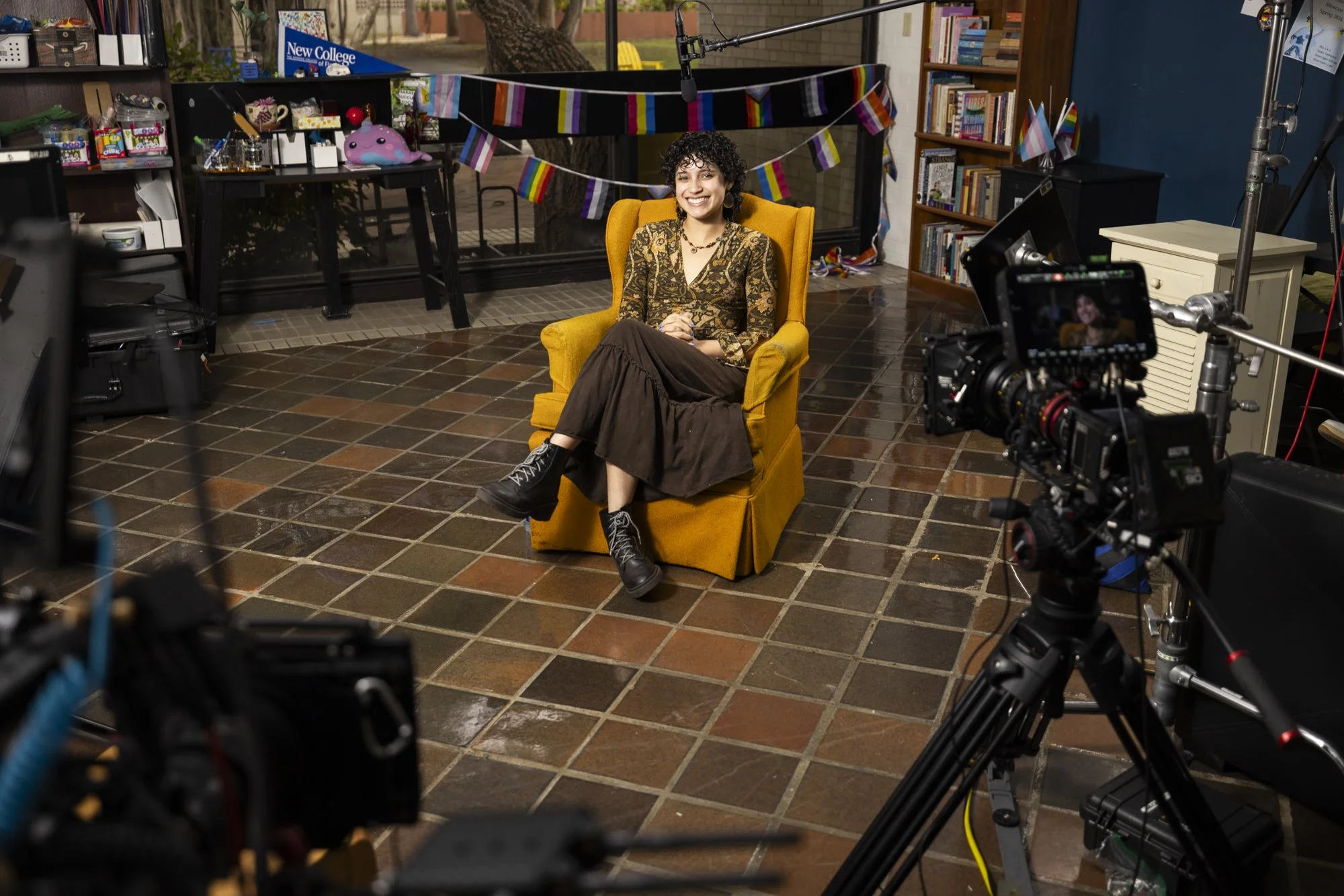
FEMINIST: What exactly is a Christo-fascist takeover and what does it look like on a daily basis? In retrospect, do you think there were some warning signs?
Gaby Batista: As a student, a Christo-fascist takeover looked like the closing of beloved student spaces, the complete rebranding of an institution that once championed self-directed, experiential learning, and the repression of artistic expression in the face of these changes. All of this while replacing a cherished student-run cafe with an off-campus business who printed misspelled bible verses on each overpriced coffee cup.
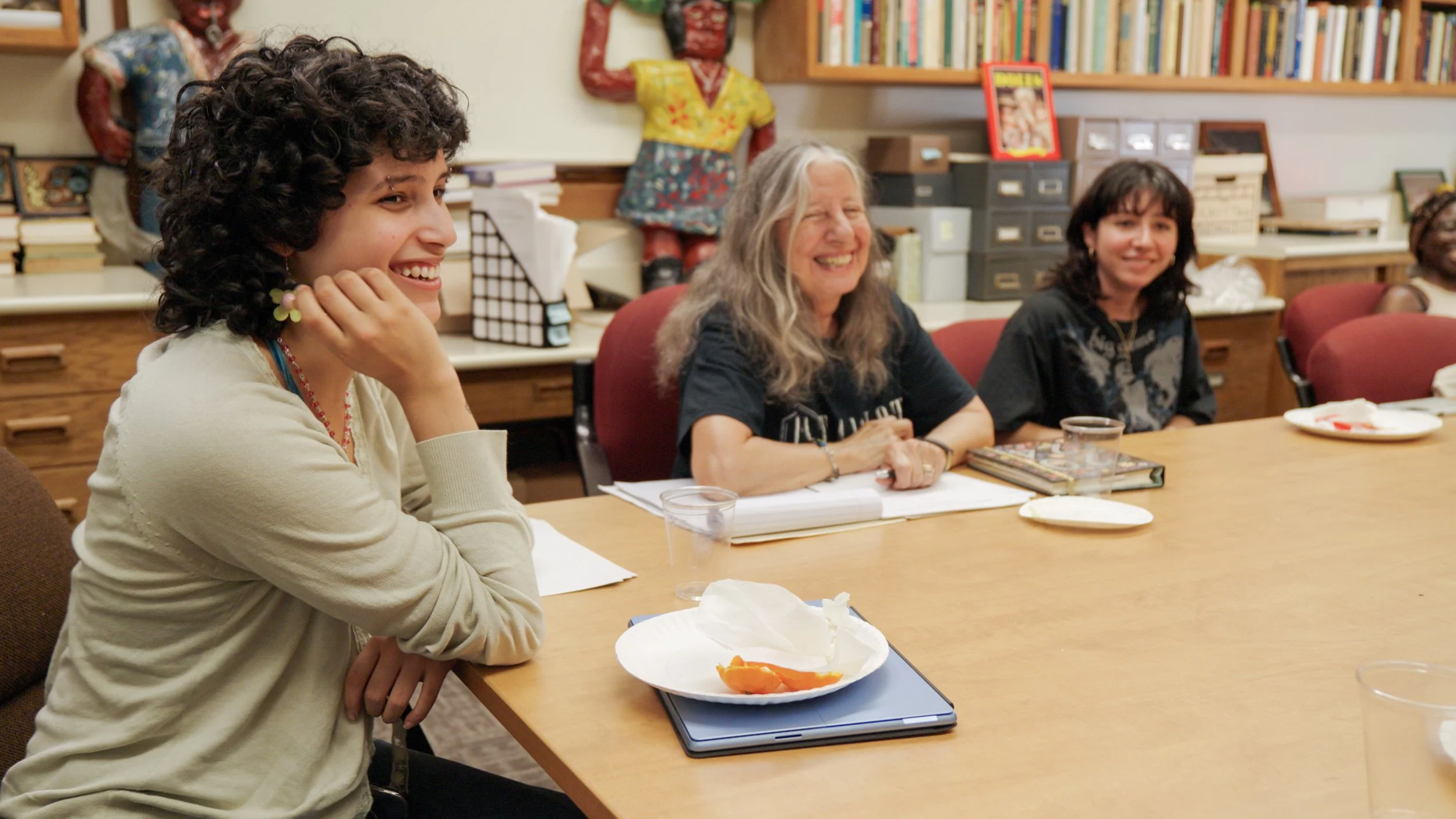
FEMINIST: Can you identify a turning point in the takeover or was it more gradual? At what point did you feel like you needed to get involved and why?
Amy Reid: New College always championed our students’ right to be the agents of their own education, so they led the fight to protect our campus, to assert their freedom to learn. As faculty, we needed to stand up in support of our students — and we did. It was all hands on deck. Faculty coordinated through our union to support the cause of public education in Florida.
FEMINIST: What does resistance look like as a student protestor? What are the actions and things that make it empowering vs. in what instances did you feel like your voice was being limited?
Gaby Batista: Resistance meant gathering community and finding joy when and where we could. When certain campus traditions were under attack, we doubled down. Everyday was something new: campus policy changes, groves of trees chopped down, student murals painted over, and dumpsters full of books. The actions that felt most empowering to me were the ones where we literally reclaimed our space and expressed ourselves a little louder than usual. [...] We continued to be the “weirdos” we're made out to be.
FEMINIST: In what ways would you have liked to receive more support in regards to the cause? Is there anything you wish politicians, nonprofit organizations, media, etc. would have done?
Amy Reid: If you support the freedom to learn for all students — now is the time to speak up and stand up. They came for New College because it was a friendly campus for LGBTQ+ students, for neurodivergent students, for students of color. They shuttered the Pride and Africana studies dorms, fired our small DEI team, and then “abolished” the Gender Studies Program — this was a targeted attack on the idea that campuses should be open to all people and to diverse ideas. And we've seen these attacks spread across Florida and to states across the country in the years since. If we don't stand up for students' freedom to learn, we will lose our freedom of expression, lose our democracy. Ask yourself — what future do you want? What future do our kids deserve? What side are you on?
FEMINIST: What were the conversations like with your fellow students? Was there an immediate divide in ideology? Were conversations even possible with others of opposing views? Was dialogue allowed or stifled by the administration?
Gaby Batista: There was no way to go about our day as students in class, peer coaches, or even having lunch with friends without the conversation veering to the future of New College, of educational freedom in Florida and the US, and our own futures. Will my family get to see me walk across the stage? Will my thesis advisor return from research leave? Will my trans friends who rely on their treatments be okay if they stay? Will I be okay if they go? [...] It was the new administration itself that not only created a perceived divide with the media, but also a physical divide by having student athletes in dorms across the street from returning students. I say this with my hand over my heart: student athletes were told we, current students, hate them and wanted them gone. The only ones we wanted gone were the grifters that called themselves leaders of New College of Florida.
FEMINIST: Do you think there was enough attention brought on this issue and do you think the story was told accurately? If not, in what ways do you think the documentary changes that?
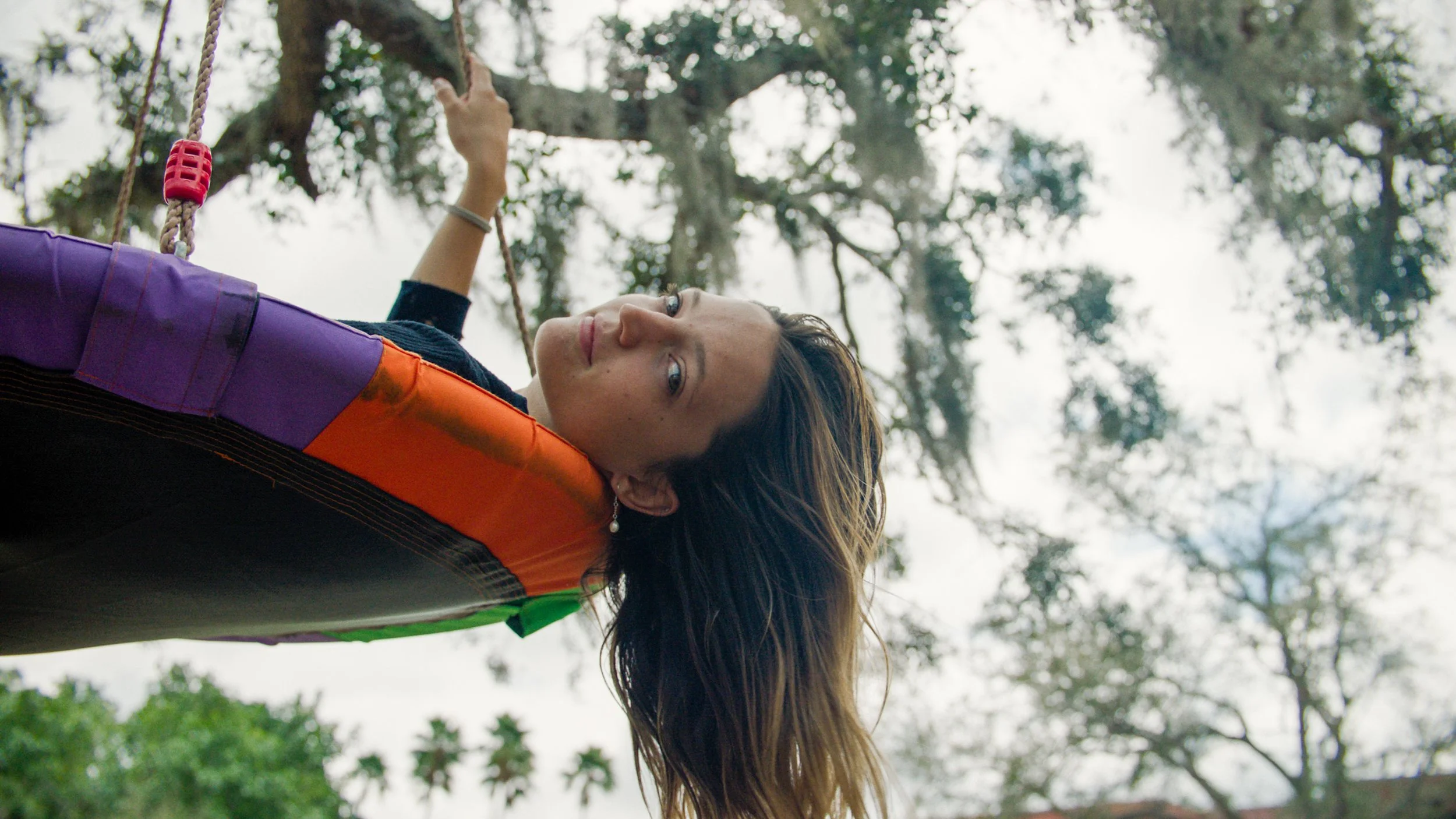
Amy Reid: The documentary is powerful because it highlights student perspectives, student joy and determination. Giving students cameras so that they could film what was happening on their campus was a brilliant move by director Patrick Bresnan. The doc packs a powerful message of resistance and resilience — of much needed hope.